Thinking beyond just consistency, building design systems at scale through robust yet flexible foundations, strategy and planning, relevant design, and AI workflows.
Highlights
Work
Agentic
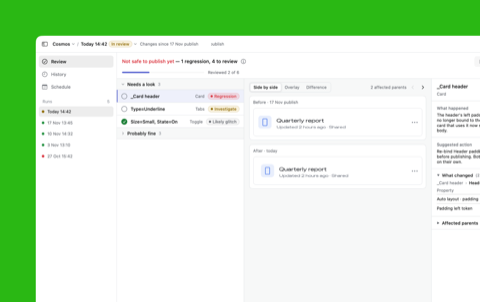
- Library Release AutomationSalesforceRelease tooling for Salesforce's Figma libraries: every change shown before it ships.
- Guideline PipelineSalesforceA multi-agent pipeline that drafts design-system guidelines, with human approval gates.
- Skill LibrarySalesforceAn internal AI skill library's site, with skill evaluation built in.
Early AI
- Conversation Entry PointsSalesforceShared rules for how people start conversations with AI agents.
- Theme Builder StudySalesforceA theme-builder usability study whose recommendations all went into the design.
Pre-AI
- Leading AsphaltGojekTurning Gojek's unowned design system into one product teams used and added to.
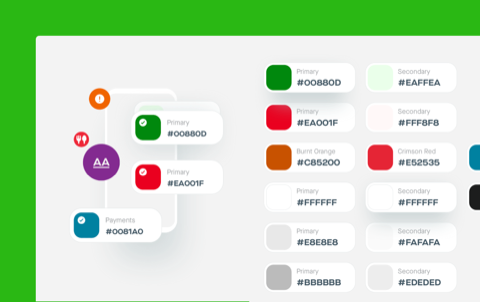
- Color TokensGojekAsphalt's color restructure, with brand colors in one shared set across themes.
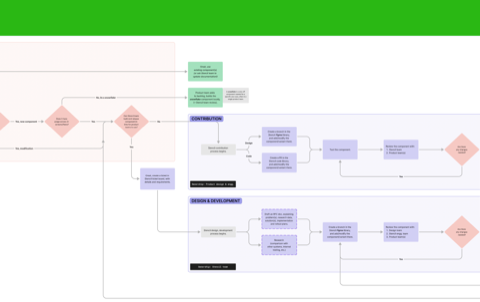
- Stencil GovernanceMindtickleA governance model, roadmap and documentation tool for Mindtickle's design system.
- Stencil TokensMindtickleA layered color and typography token structure for Mindtickle's design system.
- Config 2022 TalkGojekA talk at Figma's Config with the Gojek team.
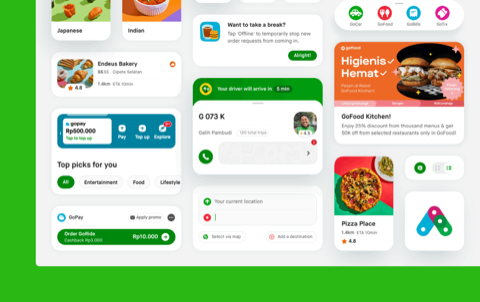
- GoFood ReviewGojekA design-system review of GoFood's redesign, and what it was worth.
- Text ScalingGojekThe data said to override text scaling for now. That shipped.
- Badges & LoudnessGojekOne badge taxonomy and a six-level visual loudness scale.
- Logo LibraryGojekOne logo size instead of four, across 74 Figma teams.
- Screen Reader SpecsGojekScreen-reader specs for Asphalt's components, documented but not taken further.
- Checkbox & RadioMindtickleA proposal raising border contrast from 1.48:1 to 10.3:1.
Hold Alt or Option to see the spacing.